


Introduction
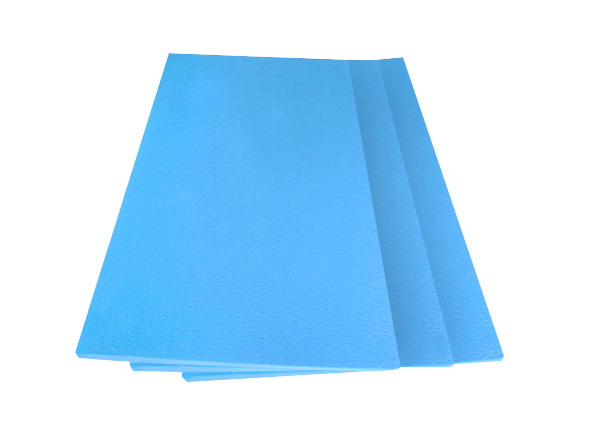
Building roof extruded panel is a material widely used for thermal insulation and heat preservation on building roofs. Made primarily from polystyrene (EPS) resin through processes such as extrusion, foaming, cutting, and surface coating, this panel offers several advantages, including light weight, excellent thermal insulation performance, and easy installation. It has become an essential component in modern construction engineering.
Thermal Insulation Performance
Roof extruded panels effectively resist high temperatures in summer and cold in winter, providing a stable indoor temperature environment. Their insulation performance is attributed to the following factors:
-
Low thermal conductivity of EPS resin – reduces heat transfer and energy loss
-
Numerous closed-cell bubbles inside the panel – create an effective heat barrier
-
Protective surface coating – resists moisture, water, and fire, enhancing product durability and safety
Lightweight Advantage
Compared to traditional roofing materials such as clay or concrete tiles, roof extruded panels are significantly lighter. This offers multiple benefits:
-
Reduces structural load on the building
-
Lowers labor intensity and shortens construction time
-
Excellent dimensional stability – resists deformation or cracking caused by temperature changes, humidity, or vibration
Installation and Maintenance
The installation and maintenance of building roof extruded panels are relatively simple, making them suitable for various roof structures and building types.
-
Installation: Workers only need to apply a suitable adhesive to fix the panels to the roof. No complex equipment or advanced techniques are required.
-
Maintenance: The surface coating prevents water and dust penetration, reducing roof aging and pollution, which in turn lowers maintenance frequency and costs.
Potential Limitations and Considerations
Despite their many advantages, building roof extruded panels have some limitations that should be addressed:
-
Environmental impact during production – The manufacturing process may generate harmful gases and solid waste. Appropriate environmental protection measures and waste treatment methods should be implemented.
-
Fire performance – The panels have relatively poor combustion resistance. In the event of a fire, they may release toxic gases and promote flame spread. Therefore, fire safety measures must be strengthened during design and application to ensure building and personnel safety.