


1. Introduction
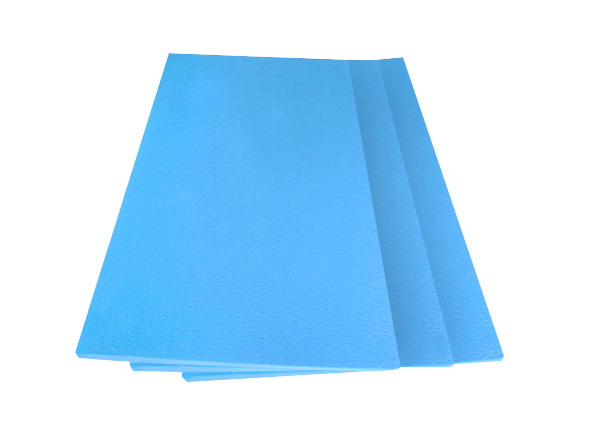
Interior and exterior extruded panel (also known as extruded insulation board) is a new type of plate material manufactured from polystyrene through an extrusion process. It offers excellent thermal insulation, soundproofing, fire resistance, water resistance, and compressive strength. With its outstanding performance and wide application prospects, this material is increasingly used in building insulation and decoration projects.
This article provides a detailed overview of the definition, characteristics, classification, construction methods, and application fields of extruded panels to help readers better understand and utilize this material.
2. Definition
Interior and exterior extruded panel, also referred to as extruded insulation board, is a rigid board made from polystyrene raw material using an extrusion process. It is characterized by being lightweight, thermally efficient, soundproof, fire-resistant, waterproof, and pressure-resistant, making it suitable for both thermal insulation and decorative applications on interior and exterior walls.
3. Key Characteristics
| Feature | Description |
|---|---|
| Excellent thermal insulation | Reduces building energy consumption and improves indoor comfort |
| Lightweight | Easy to handle and install; reduces structural load |
| Good sound insulation | Minimizes indoor and outdoor noise transmission |
| Strong fire performance | Enhances building fire rating |
| High water resistance | Resists moisture absorption and deformation; prevents dampness |
| Superior compressive strength | Maintains shape without deformation or rupture |
4. Classification
Based on material composition, interior and exterior extruded panels can be divided into the following types:
-
Polystyrene extruded board (XPS) – Most common and widely used
-
Polyurethane extruded board
-
Rock wool extruded board
Among these, polystyrene extruded board remains the most popular due to its balanced performance and cost-effectiveness.
5. Construction Method
Proper installation ensures optimal performance of interior and exterior extruded panels. The standard construction steps are as follows:
-
Surface preparation – Clean and level the building wall to ensure a smooth, debris-free surface.
-
Mesh fixing – Install a mesh or grid around the wall to secure the extruded panels and enhance stability.
-
Adhesive application – Apply construction adhesive to the wall to increase bonding strength between the panel and the wall surface.
-
Panel installation – Install the extruded panels horizontally and vertically, maintaining uniform spacing.
-
Sealing with rubber strips – Seal panel joints with rubber strips to improve connection tightness and prevent air leakage.
-
Plastering layer construction – Apply a plastering layer over the panels for aesthetic finishing and added protection.
6. Application Fields
Interior and exterior extruded panels are widely used in the following areas:
-
External wall insulation
-
Internal wall insulation
-
Roof insulation
-
Cold storage insulation
-
Soundproofing systems
Their excellent performance and convenient construction methods make them an indispensable material in the construction industry.
7. Future Development Trends
As building energy consumption standards and environmental protection requirements continue to rise, the application prospects for interior and exterior extruded panels are very broad. Future developments are expected to focus on:
-
Further improving thermal insulation performance
-
Enhancing construction efficiency and ease of installation
-
Developing more eco-friendly and fire-resistant formulations
These advancements will help meet the evolving needs of the construction industry.