



1. Introduction
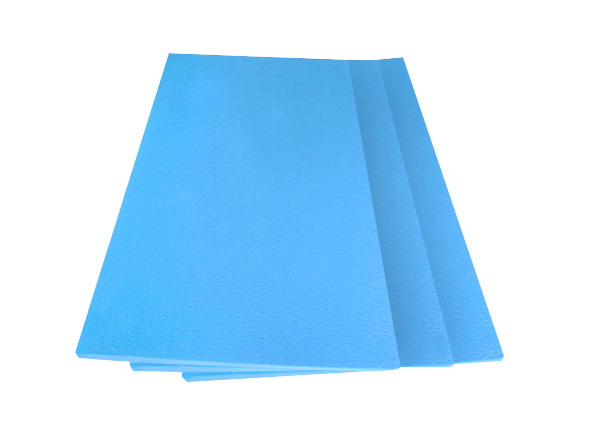
Cold storage extrusion board is a thermal insulation material primarily used in cold storage construction. Made from polystyrene through an extrusion process, it offers excellent thermal insulation performance and structural stability. This article provides a detailed overview of its material characteristics, application fields, advantages and disadvantages, and market prospects.
2. Material Characteristics
Cold storage extrusion board is manufactured using polystyrene as the main raw material through an extrusion molding process. It features the following key characteristics:
| Characteristic | Description |
|---|---|
| Excellent thermal insulation | Low thermal conductivity and low density effectively isolate temperature differences between the interior and exterior of the cold storage, reducing energy loss. |
| Good structural stability | Uniform and dense internal structure provides strong impact resistance and compressive performance, ensuring long-term stability during use. |
| Good chemical resistance | Withstands most chemical corrosion without performance degradation due to environmental factors. |
| Eco-friendly | Polystyrene is non-toxic and odorless, produces no harmful gases, and meets environmental protection requirements. |
3. Application Fields
Cold storage extrusion boards are mainly used in the following areas:
3.1 Cold Chain Logistics
With the rapid development of the logistics industry, the demand for cold chain logistics is steadily increasing. Cold storage extrusion boards are widely used as insulation materials in refrigerated warehouses and cold storage facilities, helping ensure product quality and safety during transportation.
3.2 Cold Storage Construction
As an insulation material for cold storage facilities, the extrusion board provides excellent thermal insulation and structural stability. It effectively controls temperature differences between the inside and outside of the cold storage, maintains a low-temperature environment, and prevents cold air leakage.
3.3 Food Processing
The food processing industry has a high demand for cold storage facilities. Extruded boards help maintain food freshness and quality, extending the shelf life of perishable products.
4. Advantages and Disadvantages
Advantages
| Advantage | Description |
|---|---|
| Excellent thermal insulation | Low thermal conductivity ensures stable internal temperatures in cold storage. |
| Good structural stability | Uniform, dense internal structure offers strong impact resistance and long service life. |
| Easy installation | Lightweight design makes handling and installation simple, reducing construction costs and time. |
| Eco-friendly and energy-saving | Polystyrene raw material produces no pollutant emissions and meets environmental standards. |
Disadvantages
| Disadvantage | Description |
|---|---|
| Reduced impact resistance at extremely low temperatures | In extremely cold environments, the material’s impact resistance may decrease. (Note: This is often referred to as low-temperature brittleness, not “poor cold resistance” as the original text stated, since the board is designed for cold use.) |
| Lower mechanical strength compared to some alternatives | Compared to certain other insulation materials (e.g., polyurethane foam), extruded boards may have lower compressive or tensile strength. Proper material selection and structural design are required to ensure project quality. |
5. Market Prospects
With the rapid growth of the cold chain logistics and food processing industries, the market prospects for cold storage extrusion boards are very promising.
-
Cold chain logistics has an increasing demand for cold storage construction. As an ideal insulation material for cold storage facilities, extruded boards are expected to see wide application.
-
Food processing industry demand for cold storage is also rising due to increased public awareness of food safety and nutritional value. This provides new growth opportunities for the cold storage extrusion board market.